Zalgo text looks like a glitch in reality — letters invaded by strange marks crawling above and below them, words that seem corrupted by some digital disease. But this distinctive aesthetic did not appear from nowhere. It has a specific origin, a named creator, and a surprisingly deep connection to internet culture, typography, and even ancient writing systems.
If you have ever wondered where those creepy combining characters came from, or why they are called “Zalgo,” this is the full story.
The Origin: A Forum Post in 2004
Zalgo text traces back to a 2004 post on the Something Awful forums — one of the internet’s most influential early communities. A user began posting text corrupted with excessive combining characters, creating that signature “invaded” look. The character was called “Zalgo,” presented as a mysterious entity that corrupts text and images.
The concept caught fire. Zalgo became a piece of early creepypasta — internet horror folklore — with the premise that this entity was “coming” and corrupting everything it touched. People started “Zalgo-fying” famous comic strips, text, and images. The corrupted text was the calling card.
What Zalgo Text Actually Is (Technically)
Strip away the lore and Zalgo text is a clever abuse of Unicode combining characters. Unicode includes hundreds of “combining diacritical marks” — characters designed to stack on top of or below a base letter. They exist for legitimate reasons: Vietnamese, Arabic, and many other writing systems need marks that combine with base characters.
Zalgo text exploits this system by stacking dozens of combining marks on a single letter — far more than any real writing system uses. The result is that chaotic vertical sprawl of marks above and below the text. Your computer is faithfully rendering exactly what the characters instruct. It just looks wrong because no human language works that way.
This is also why Zalgo text is sometimes called “glitch text” or “corrupted text.” The visual effect genuinely resembles digital corruption — which is exactly what made it so effective as horror.
From Forums to Mainstream
After its Something Awful debut, Zalgo spread through the classic early-internet pipeline: 4chan, Reddit, Tumblr, and creepypasta wikis. Each community added its own flavor. On 4chan’s /x/ (paranormal) board, Zalgo became shorthand for cosmic horror. On Tumblr, it showed up in aesthetic posts. On Reddit, r/Zalgo collected examples.
The turning point for mainstream awareness was probably 2009–2010, when Zalgo text started appearing in YouTube comments and Facebook posts. Suddenly people who had never visited a forum were encountering corrupted text in their everyday feeds. Generators started appearing — simple web tools that automated the process of stacking combining characters — and the barrier to creating Zalgo text dropped to zero.
Today, Zalgo generators are some of the most popular text tools on the internet, and the aesthetic has been absorbed into broader “cursed text” culture alongside glitch, demonic, and void styles.
Why It Still Works as Horror
Zalgo text has survived for twenty years as a horror aesthetic, which is remarkable in internet time. Part of the reason is that it exploits something deep in how we process text. Reading is automatic — you do not decide to read words, your brain just does it. When text looks wrong in a way you cannot immediately parse, it creates a tiny moment of cognitive dissonance. That discomfort is the entire horror mechanism.
It also taps into a very modern fear: technological corruption. We trust our screens to show us clean, legible text. When that trust breaks — even playfully — it feels uncanny. Zalgo text looks like your device is malfunctioning, like something is wrong underneath the surface. In an age where we live inside our screens, that hits harder than a rubber monster ever could.
Zalgo in Pop Culture
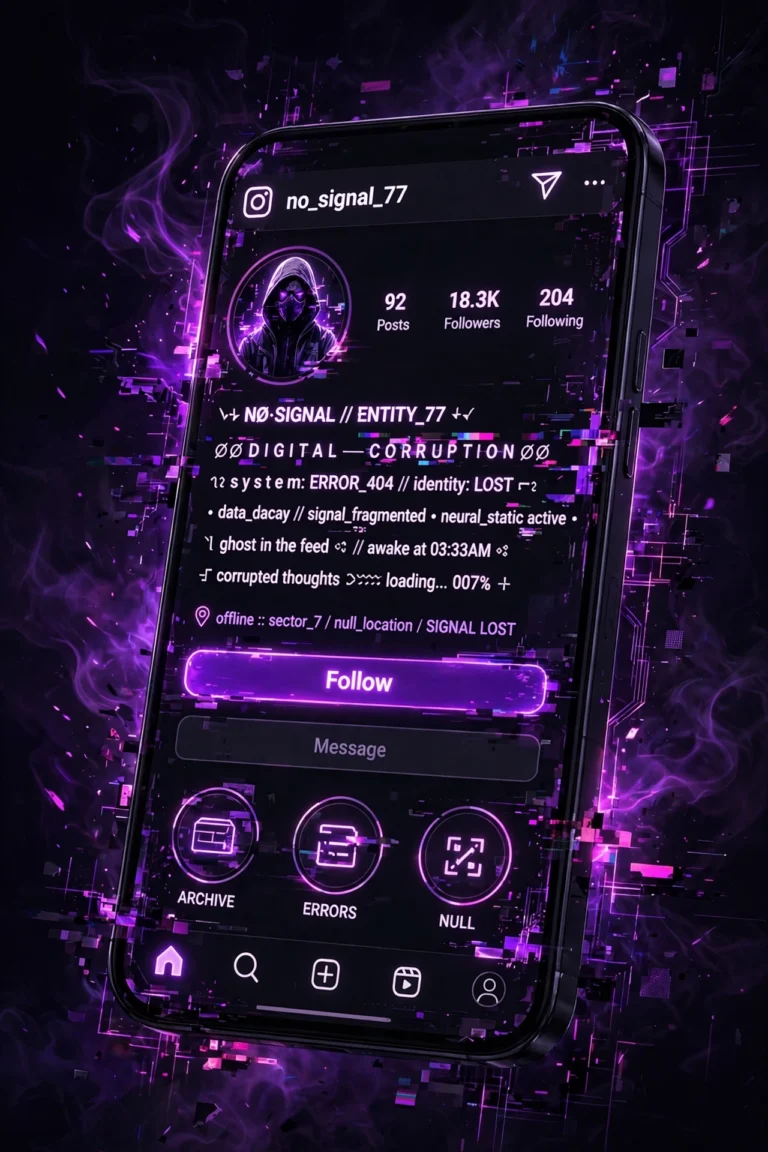
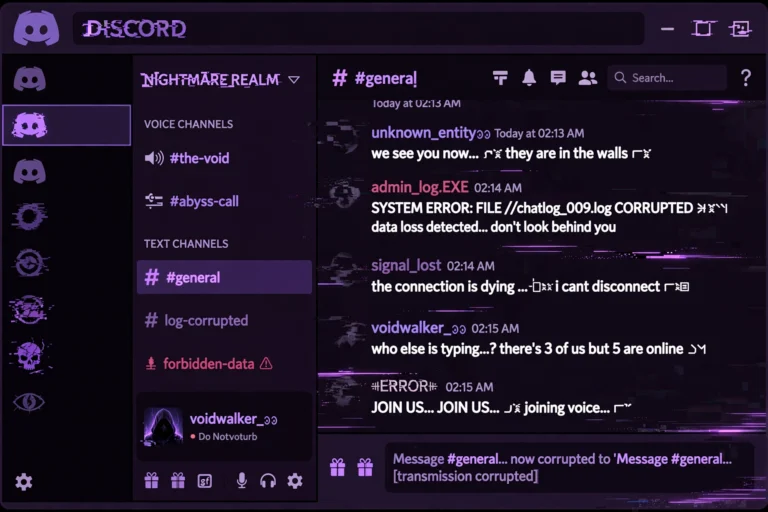
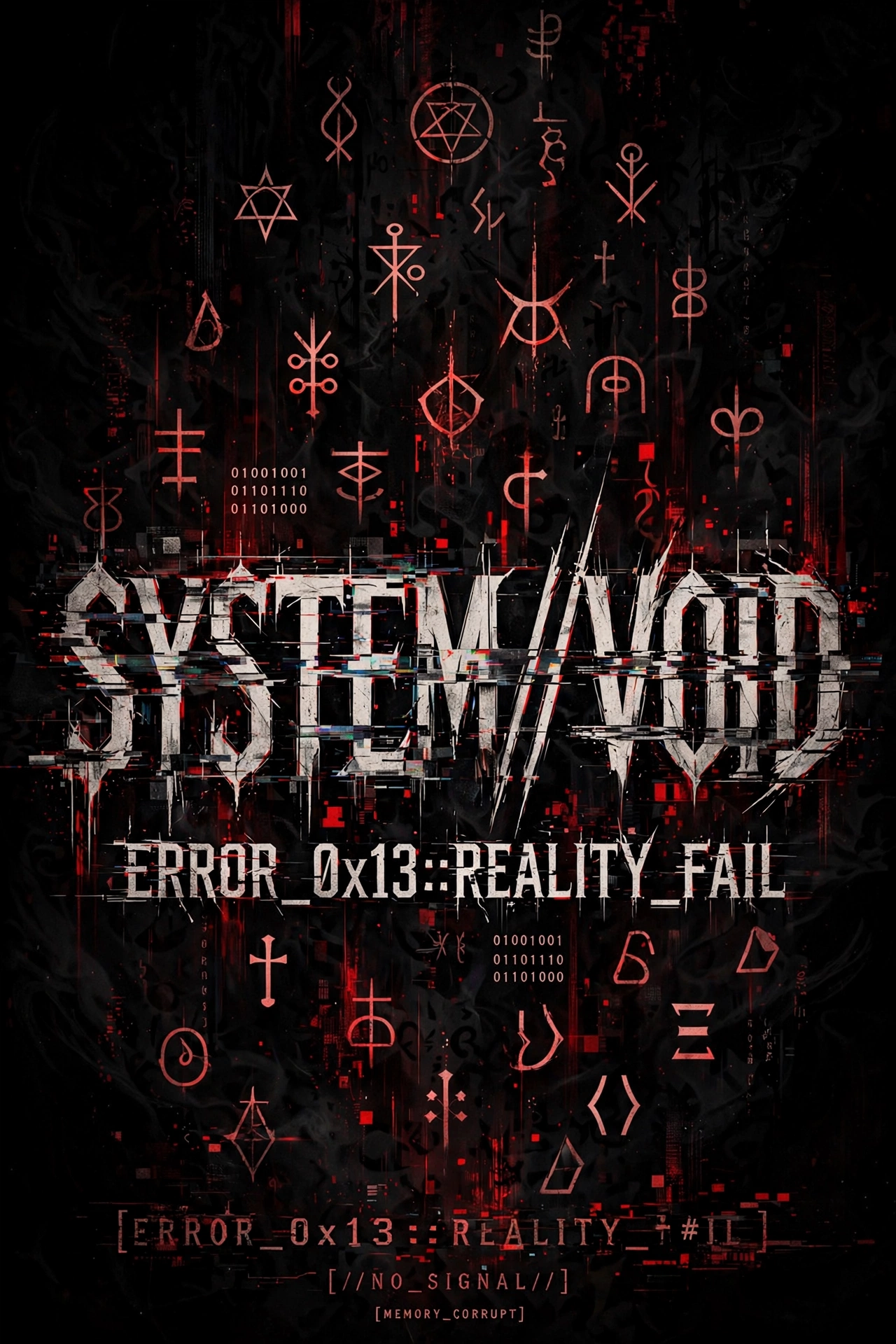
Beyond forums, Zalgo has seeped into wider culture. It appears in horror games (particularly indie and ARG experiences), in music artwork (especially in dark electronic and metal scenes), and in social media aesthetics. The “corrupted text” look has become a visual shorthand for “something is deeply wrong here” — useful in everything from movie posters to album covers.
The character of Zalgo itself — the entity — has largely faded from the lore. Most people using Zalgo text today have no idea about the 2004 Something Awful origin. The aesthetic outlived its own mythology, which might be the most internet thing about it.
How to Make Authentic Zalgo Text
The original Zalgo was chaotic — random numbers of combining marks, uneven distribution, genuinely messy. Modern generators like ours let you control the intensity, which is actually an improvement. For the most authentic early-internet look, use high intensity with the Zalgo style and let the marks pile up unevenly.
For readable-but-creepy (the more common modern use), medium intensity preserves legibility while keeping the corrupted feel. The Glitch style is a close cousin with a more digital feel, if you want variation.
Frequently Asked Questions
Who created Zalgo text?
Zalgo originated from a 2004 post on the Something Awful forums, where a user introduced “Zalgo” as a corrupting entity. The text style was its signature.
Is Zalgo text a real language?
No. It uses real Unicode combining characters, but stacks them in ways no actual writing system does. It is a visual effect, not a language.
Why is it called Zalgo?
Zalgo was the name of the fictional entity from the original creepypasta — a being that corrupts text, images, and eventually reality itself.
Can Zalgo text break my device?
No. It is just text characters. It cannot execute code or damage anything. Some very old systems might render it slowly if there are hundreds of combining marks, but modern devices handle it fine.
What is the difference between Zalgo and glitch text?
They overlap heavily. Zalgo traditionally means the specific combining-character corruption style. “Glitch text” is a broader term that includes Zalgo plus other digital-corruption aesthetics like character swaps and symbol replacements.
Is Zalgo text still popular?
Yes. Twenty years after its creation, it remains one of the most-used text effects on Discord, TikTok, and Instagram, and generators get steady traffic year-round with spikes at Halloween.
Want to try it yourself? Use our free Zalgo text generator — type your text, adjust the intensity, and copy the result. For more corrupted styles, explore our full collection of text generators.